MP3 volume booster

Make a quiet MP3, voice memo or recording louder. The tool measures your file first, tells you how far it can go before it distorts, and works in your browser.

Drop an audio file here

MP3, WAV, M4A, AAC, OGG, Opus or FLAC · Up to 2 GB on a computer

This browser can't run the tool

Use the desktop app
Loudness
Measuring…
Highest peak
—

200% is +6.0 dB.

Runs on your device. Keep this tab open.

Changing the volume… 0%

Your file is ready

Opens in a new tab and saves your file.

  • No upload
  • No sign-up
  • Measures before it boosts

Trusted by 400,000+ creators

How it works

How to increase MP3 volume

  1. 01

    Choose your audio

    Drop an MP3, WAV, M4A, AAC, OGG, Opus or FLAC file. It's measured right away.

  2. 02

    Set the volume

    Pick a percentage, a loudness or the maximum, and read what will happen to the peaks.

  3. 03

    Save it

    Select Change the volume, listen to the result, and download MP3 or WAV.

Why ChatCut

Louder without the crackle

  • Measured first

    See the file's loudness in LUFS and its highest peak before you change anything, and what each setting will do to them.

  • Three ways to set it

    Boost by a percentage, match a loudness such as −16 LUFS, or go as loud as the file allows without distortion.

  • Peaks held back

    A limiter looks a few milliseconds ahead and turns down only the peaks that would clip, so a quiet voice can come up further.

  • Keeps your format's details

    The sample rate is kept, mono stays mono, and stereo stays stereo. Save as MP3 at 192 or 320 kbps, or WAV.

  • Long files are fine

    Lectures and meetings of up to two hours work, because the audio is processed as a stream.

  • Stays on your device

    The audio is measured and saved in this browser tab. Nothing is uploaded, and there's no account or watermark.

Learn

How much louder can it get?

Percent, decibels and what you hear

200% doubles the size of the wave, which is +6 dB. 150% is +3.5 dB and 400% is +12 dB. Ears don't work in percent: around +10 dB is often described as twice as loud. Try 200% on a quiet recording and listen before you go further.

Why boosted files crackle

Digital audio has a ceiling. A file whose highest peak is at −2 dB has 2 dB of room; raise it by 6 and the tops of the waves are cut flat, which you hear as crackle. With peaks held back, only those moments are turned down. A recording that was already distorted stays distorted at any volume.

Which loudness to aim for

Spotify plays music at −14 LUFS by default and turns louder masters down, so there's nothing to win beyond it. Apple suggests about −16 for podcasts, and European broadcasters use −23 under EBU R 128. YouTube doesn't publish a target. For a file only you listen to, use the percentage.

When volume isn't the problem

Boosting lifts everything, hiss and traffic included. If the voice is buried rather than quiet, use the voice isolator first and boost what it returns. If one half of the recording is louder than the other, split it with the audio trimmer, boost the quiet part, and put it back with the audio joiner.


Use cases

When to make an MP3 louder

  • Voice memos and lectures

    Recordings made across a room come out quiet. Bring the voice up and keep a cough or a door from blowing out.

  • A podcast that matches the others

    Set −16 LUFS, the level Apple suggests for podcasts, so listeners don't reach for the volume between shows.

  • Songs on an old player

    Car stereos and small players can ignore volume tags. A file that is really louder plays louder everywhere.

Keep editing

Balance a whole mix

For voice, music and effects together, set the volume of each clip on ChatCut's timeline, and let audio ducking lower the music under speech. Start in the audio editor. Manual editing is free; AI requests use credits.

New on YouTube Seedream 5.5 Is Now in ChatCut Seedream 5.5 in ChatCut
More from our channel All videos

Skills

Hundreds of skills for any video

100+ Skills. No experience needed. Start in one click.

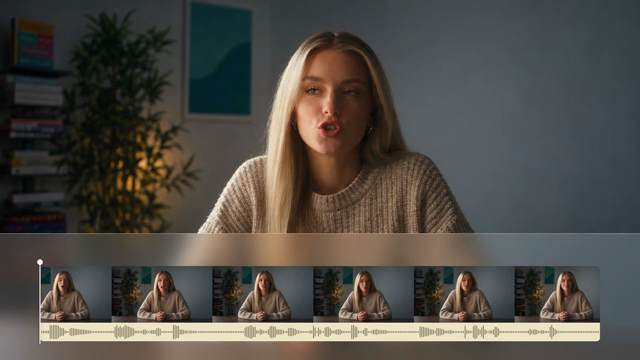
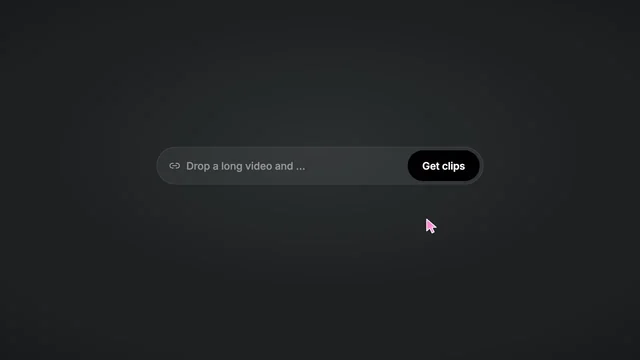
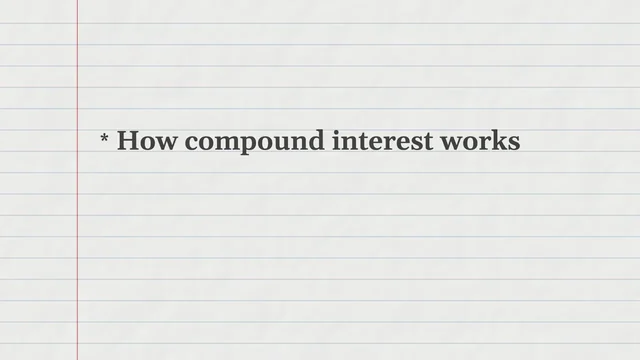
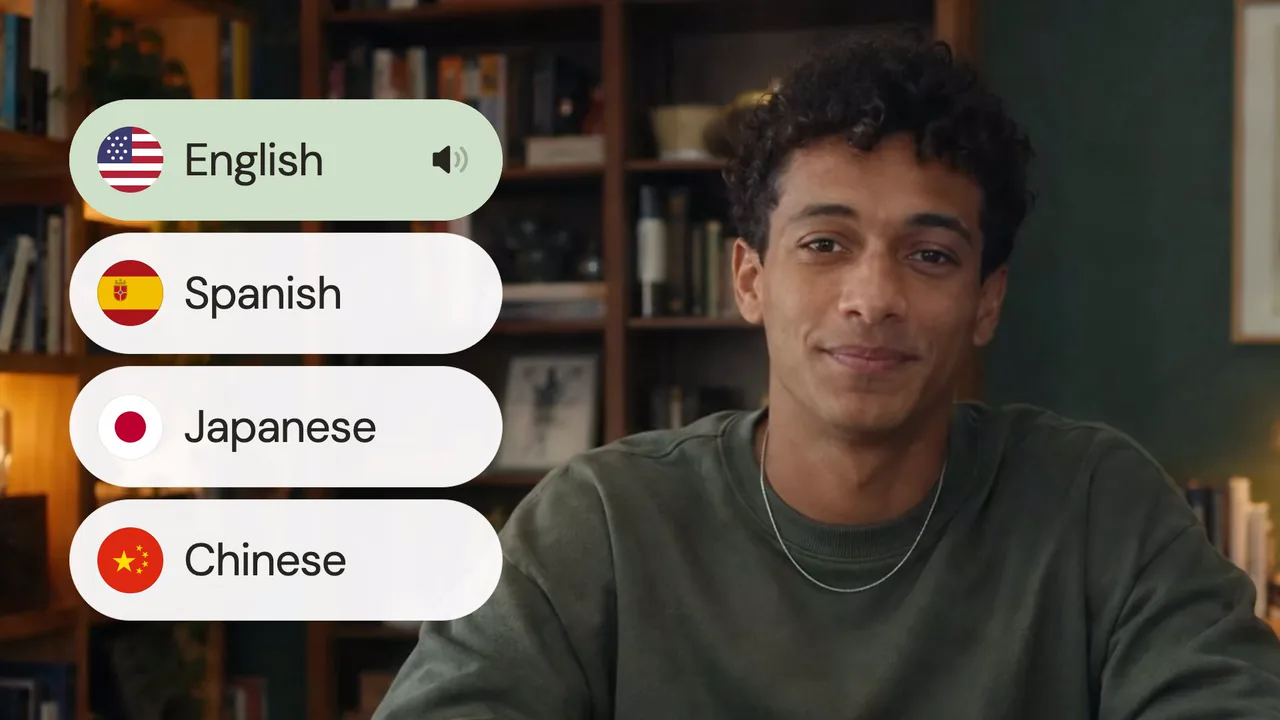
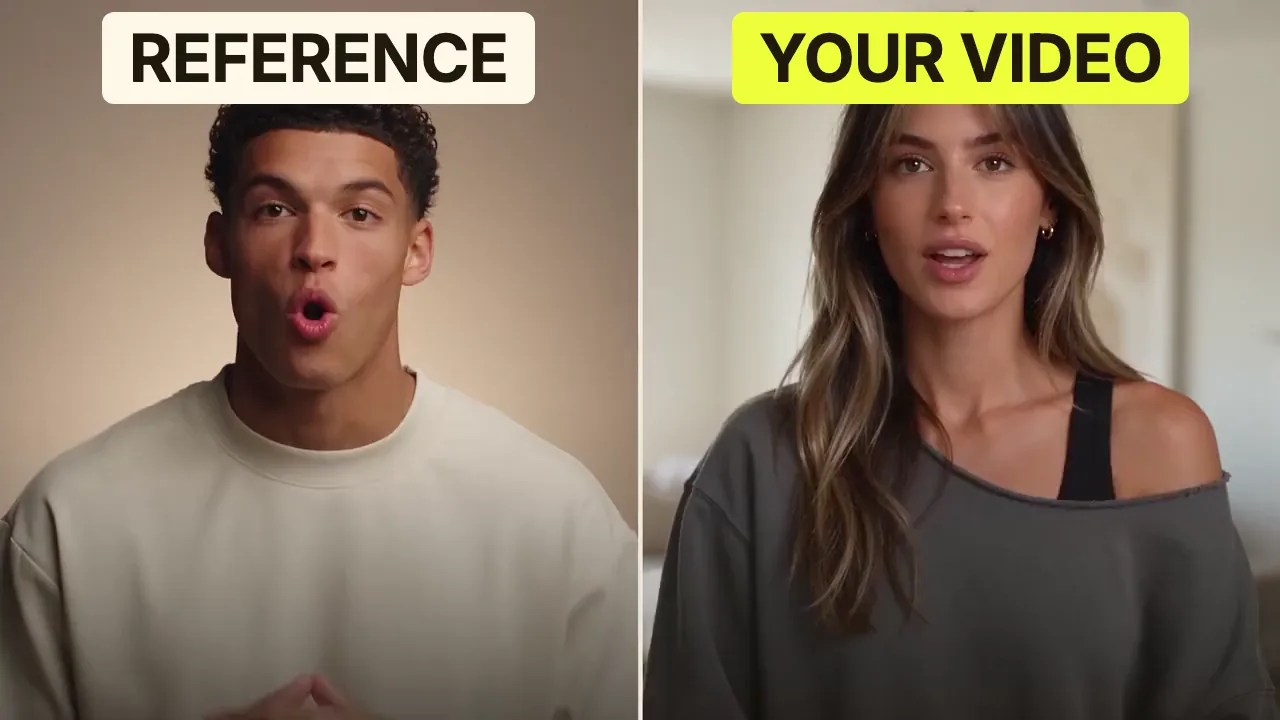
Speech CleanupUpload your talking-head footage. ChatCut automatically cuts out verbal slips, repetition and awkward pauses, keeping your delivery natural and seamless.Long video to shortsPaste a video link or upload a file. ChatCut plans the edits and polishes each clip, turning your long video into multiple short videos ready to publish on their own.Add captionsUpload your talking-head video. ChatCut automatically recognizes the speech, generates captions and applies your selected caption style.Motion Graphics StylesUpload a talking-head video and get motion graphics in the Editorial Explainer style added automatically: notebook chapter pages, grey-paper data charts and yellow highlighter marks, alternating with your on-camera shots like a news explainer. Good for news explainers, current affairs and data stories. If the footage has obvious flubs, repeats or long pauses, it cleans them up first, then packages it. You get a packaged, editable timeline ready to tweak and export. Works best with clear audio and one presenter.Editorial ExplainerVideo TranslationUpload a video and choose a target language. ChatCut automatically translates and dubs the speech, syncs lip movements, preserves the original voice and adds captions as needed.Talking-Head Edit RecreationEdit your talking-head footage with the cuts and styling of a reference video. Share a talking-head video you like (upload it or paste a link), then add your own recording. AI breaks down the reference's pacing, captions and on-screen text, motion graphics, B-roll, framing and sound, and applies them to what you say. You get a finished video and an editable project. It uses your own footage throughout, with no face swaps or generated shots.

FAQ

MP3 volume booster FAQ

How do I make an MP3 louder?

Choose the file, set a percentage such as 200%, and select Change the volume. Listen to the result and download it.

How many decibels is 200% volume?

About +6 dB. 150% is +3.5 dB, 300% is +9.5 dB, and 400% is +12 dB.

Can I boost volume without distortion?

Yes, within limits. Leave the peak option on, and moments that would go over the maximum are turned down just in time. Very large boosts can still sound squashed, because quiet and loud parts move closer together.

Does it lose quality?

The volume change itself doesn't. Saving as MP3 compresses the audio again, as any editor does. Choose 320 kbps, or WAV if you'll keep editing.

Can I make a file quieter?

Yes. Choose a percentage below 100, down to 50%, or a lower loudness target.

What is LUFS?

A measure of how loud a whole recording sounds, defined in ITU-R BS.1770. Higher (closer to zero) is louder. Streaming services use it to play everything at a similar level.

Why is my file still quiet after boosting?

One loud moment, such as a clap, can use up all the room. Leave the peak option on and boost further, or match a loudness instead of using As loud as it goes.

What are the limits?

One file of up to 200 MB and two hours. WAV output is limited to 30 minutes because the files get large. A one-hour MP3 took about a minute to measure and save in our test. Silent files can't be boosted.

Is it free, and is my audio uploaded?

It's free, with no sign-up and no watermark. The audio is processed in this browser tab and isn't uploaded.